We are your trusted health partner. Local doorstep deliveries is within the hour .We are Licensed and Regulated by the Pharmacist's Council of Nigeria(PCN).Prices displayed here may differ due to inflation.
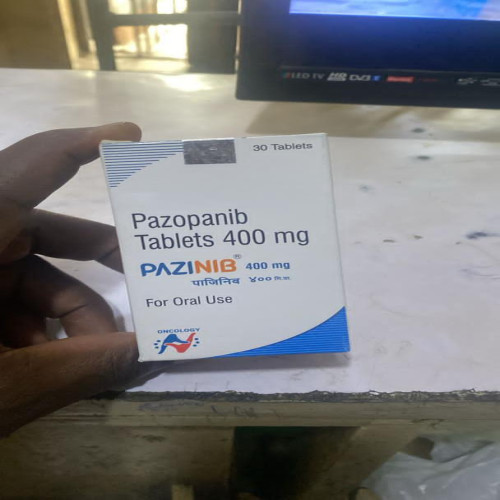
A prescription-only, high-potency antineoplastic (anti-cancer) targeted agent belonging to a class of medications called tyrosine kinase inhibitors (TKIs). It is standardly prescribed to slow tumor growth and stop the progression of specific advanced malignancies.
Pazopanib works as a multi-targeted tumor gateway blocker to systematically starve multiplying cancer cells:
Anti-Angiogenesis Strategy: It targets and blocks the Vascular Endothelial Growth Factor Receptors (VEGFR-1, -2, and -3). Tumors require a continuous blood supply to grow. By shutting down these receptors, the medication stops the growth of new blood vessels that feed the tumor.
Cell Signaling Blockade: It simultaneously inhibits alternative growth receptors (such as PDGFR and c-KIT), directly interrupting the vital internal chemical signals that cancer cells use to divide and spread.
Advanced Renal Cell Carcinoma (RCC): First-line systemic treatment for adults managing advanced or metastatic kidney cancer.
Advanced Soft Tissue Sarcoma (STS): Treating specific subtypes of advanced soft tissue sarcomas (cancers developing in or around muscles, tendons, joints, or blood vessels) in patients who have previously undergone standard chemotherapy.
Severe Hepatotoxicity (Liver Damage): Pazopanib can cause severe, life-threatening liver injury. Your oncologist will request strict, comprehensive blood liver function tests (LFTs) before you start and at regular intervals during treatment.
Cardiac Events: It can prolong the electrical QT interval of the heart or drop the heart's pumping efficiency. It must be used with caution in individuals with a history of heart disease or unmanaged high blood pressure.
Gastrointestinal Perforations and Bleeding: It increases the risk of developing localized tears (perforations) in your stomach or intestinal walls, and can trigger abnormal bleeding.
Pregnancy Mandate: Highly toxic to a developing fetus. Women of childbearing potential must use highly effective birth control during treatment and for at least 2 weeks after the final dose. It is strictly contraindicated during breastfeeding.
You must take your tablet on an empty stomach—at least 1 hour before eating a meal or 2 hours after a meal. Taking this medication alongside food heavily increases its absorption rate in your body, which can dangerously multiply its toxicity and side effects.
Swallow the tablet completely whole with a full glass of water. Do not break, crush, split, or chew the tablet. Crushing breaks the extended release matrix, causing the chemical to flood into your system too quickly, which dramatically increases your risk of severe stomach lining damage and liver strain.
Avoid eating grapefruit or drinking grapefruit juice entirely while on this medication. Grapefruit blocks the core digestive enzymes needed to break down this drug, causing its active levels to spike dangerously high in your bloodstream.
1.Pick a consistent hour away from meals:Timing Choice.
Select a fixed hour every day—such as first thing in the morning 1 hour before breakfast, or at bedtime long after your last meal.
2.Swallow the tablet completely whole:Ingestion Mechanics.
Take your prescribed dose (the standard starting dose is often 800mg daily, taken as two 400mg tablets all at once) and swallow whole with a glass of plain water.
3.Track your blood pressure at home daily:Blood Pressure Log.
Keep a daily log of your blood pressure. Pazopanib frequently causes a rapid elevation in baseline blood pressure within the first few weeks, which your care team will manage with anti-hypertensive drugs.
4.Monitor for immediate bodily changes:Symptom Check.
Watch your body closely for any severe shifts, such as unusual bruising, yellowing of your eyes/skin, sudden shortness of breath, or deep stomach pain.
Because it aggressively alters tumor environments, body-wide updates are common and require active tracking alongside your care team:
Changes in Appearance: Hair color changes (temporary lightening or whitening of the hair), skin depigmentation, or a localized skin reaction on the hands and feet (redness, peeling, or swelling called palmar-plantar erythrodysesthesia).
Gastrointestinal Shifts: Frequent watery diarrhea, nausea, temporary vomiting, decreased appetite, a loss of taste or altered taste sensations (dysgeusia), and significant weight loss.
Circulatory Updates: High blood pressure (hypertension), feeling unusually tired or physically weak, and mild headaches.
How long does it take for Pazopanib to clear out of the body completely?
Pazopanib has a biological half-life of roughly 31 hours. It typically takes anywhere from 5 to 6 days after your very last dose for the active drug molecules to be completely eliminated from your circulatory system.
What should I do if I accidentally miss my daily dose?
If you forget to take your tablets and your next scheduled dose is more than 12 hours away, take the missed dose on an empty stomach immediately. If your next dose is less than 12 hours away, skip the missed dose entirely and return to your regular daily timing. Never take a double dose to catch up.
Why does my hair color seem to be changing during treatment?
Do not be alarmed; this is a very well-documented, completely harmless side effect of the tyrosine kinase inhibitor class. The active drug temporarily suppresses the cellular pathways responsible for hair pigmentation, causing new hair growth to look lighter or turn white. Your natural hair color typically returns once the therapy course is completed.
Pazopanib 400mg tablets (commonly available under the innovator brand name Votrient by Novartis, or specialized certified generic formulations like Pazinib or Pazonat) are high-value, specialized oncological medications. To ensure your safety and completely avoid counterfeit batches, always purchase directly from verified clinical supply routes displaying verified NAFDAC registration numbers. Special order allocations can be tracked and secured via Sanlive Pharmacy & Stores for specialized temperature-monitored distribution straight to your designated oncology ward or private residence in Lagos, Abuja, and Port Harcourt.
Important Notice: This information is for educational support purposes only. Pazopanib is a highly restricted, high-potency chemotherapy drug. Treatment must be initiated, monitored, and adjusted exclusively under the strict, ongoing guidance of a certified clinical oncologist. If you experience sudden chest pain, severe bleeding, coughing up blood, or sudden swelling in your limbs, seek immediate emergency medical care.
No reviews yet — be the first!
Log in to write a review.



.jpg)