We are your trusted health partner. Local doorstep deliveries is within the hour .We are Licensed and Regulated by the Pharmacist's Council of Nigeria(PCN).Prices displayed here may differ due to inflation.
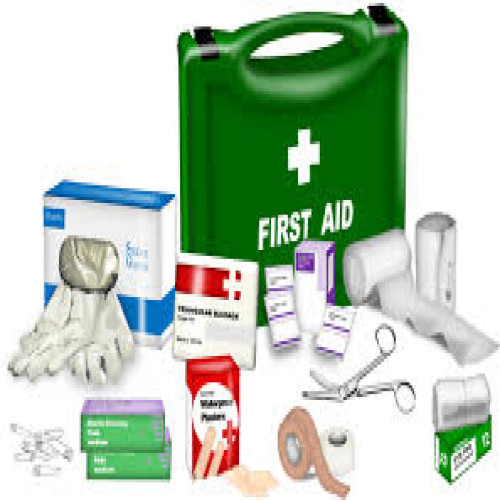
A complete medical box packed with basic supplies to stop bleeding, clean wounds, and protect lives during sudden accidents and emergencies.
A proper First Aid Box is your first line of defense when someone gets hurt at home, in the office, or on the road. Instead of waiting for a doctor for minor injuries, the items inside are specifically chosen to handle immediate physical problems:
Stops Bleeding: Heavy-duty pads and wraps apply pressure to cuts and scrapes, helping the blood clot quickly.
Prevents Infection: Antiseptic liquids and wipes kill germs on dirty skin before bacteria can get deep into a wound.
Protects Fractures: Triangular cloths help hold broken or sprained bones completely still so they do not cause further internal nerve damage.
Saves Lives Safely: Specialized plastic shields let you give mouth-to-mouth rescue breaths (CPR) without swapping bodily fluids or catching infections.
To be truly ready for an emergency, your box should always be fully stocked with these unexpired essentials:
| Item Type | What is in the Box | What it is used for |
| Bandages & Plasters | Small adhesive plasters, sterile gauze pads, roll bandages, cotton wool | Stopping blood flow, soaking up fluids, and keeping dirt out of cuts. |
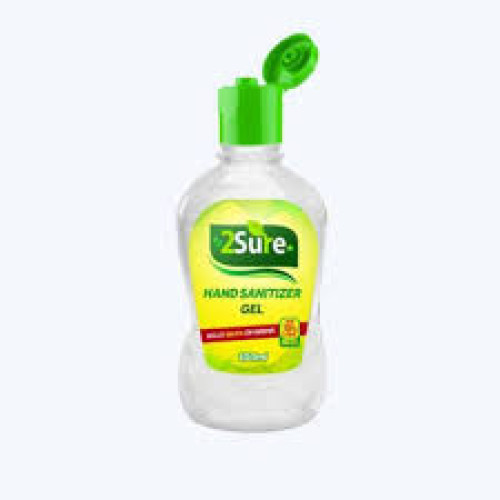
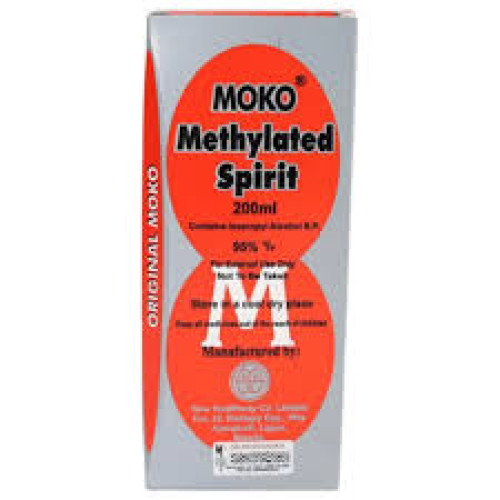
| Cleaning Liquids | Antiseptic liquid (like Dettol or Savlon), rubbing spirit, iodine, sterile water | Washing dirt out of fresh scrapes and cleaning the skin around a wound. |
| Creams & Gels | Burn relief gel, anti-itch hydrocortisone cream, antibiotic ointment | Cooling accidental skin burns and soothing itchy insect stings or rashes. |
| Tools & Instruments | Medical scissors, tweezers, safety pins, disposable gloves | Safely cutting tough clothing or tape, pulling out splinters, and keeping hands clean. |
| Rescue Equipment | Digital thermometer, CPR face shield, shiny silver emergency blanket | Tracking high fevers, giving safe rescue breaths, and keeping shock victims warm. |
✅ Homes, Schools, and Offices that need to be ready for everyday falls, cuts, burns, or sudden workplace accidents.
❌ The Hospital Limitation: A first aid kit is only for minor injuries or temporary stabilization. It does not contain surgical tools or life-saving heart medications. Severe bleeding, deep wounds, broken bones, or unconsciousness require immediate emergency trip to a hospital.
Storage: Keep your box in a central place where every adult knows exactly how to find it. Keep it in a dry cupboard away from direct sunlight so the liquids and sticky plasters do not spoil.
The Latch Rule: Never lock a first aid box with a key. During an emergency, searching for a missing key can cost precious minutes. Use a simple snap-open latch instead.
1.Put on disposable examination gloves:Clean hands first.
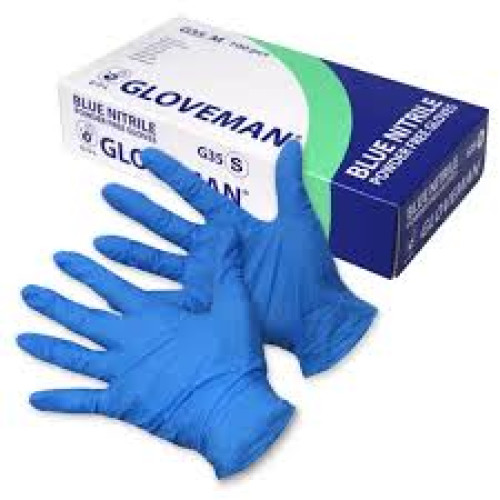
Before you touch the injured person, pull on a fresh pair of plastic or latex gloves from the box. This simple barrier protects you from blood-borne germs and keeps your fingers from infecting their raw skin.
2.Stop the bleeding with a sterile gauze pad:Apply pressure.
Place a clean, sterile gauze pad directly over the cut and press down firmly. Hold continuous pressure for 3 to 5 minutes without lifting the pad to look. This constant pressure allows the blood to form a natural seal.
3.Clean the skin around the wound:Sanitize.
Once the bleeding slows down, use a cotton pad soaked in diluted antiseptic liquid to clean the skin around the edges of the cut, wiping outward. Do not pour harsh rubbing spirit straight into a deep cut, as it burns healthy cells and delays healing.
4.Apply antibiotic cream and a plaster:Cover up.
Dab a small amount of soothing antibiotic ointment over the scrape, then cover it completely with an adhesive plaster or wrap it with a roll bandage. This keeps bacteria out and keeps the skin moist so it can heal faster.
⚠️ THE 6-MONTH AUDIT: A first aid kit is only helpful if the items inside actually work. Pick a day every six months to open your box and check everything. Throw away dried-out plasters, replace used bandages, and check the expiration dates on all creams and cleaning liquids. Always restock items immediately after using them in an accident.
Should I keep regular medicines like Paracetamol inside the box?
It is best to keep everyday headache pills, allergy tablets, or cough syrups in a separate medicine cabinet. Keeping loose pills inside the main emergency compartment can cause confusion during a chaotic, high-stress accident. Also, keeping them separate ensures young children do not open the first aid box and accidentally swallow them.
What is the shiny silver blanket in the kit used for?
That is an Emergency Mylar Blanket. When a person is badly hurt or losing blood, their nervous system panics, causing their body temperature to drop dangerously low (shock). If you unfold this ultra-thin foil blanket and wrap it around them, it reflects 90% of their natural body heat back to their skin, keeping them warm and stable until help arrives.
What should I do if someone gets a painful burn in the kitchen?
Immediately hold the burned skin under cool, gently running tap water for at least 10 to 15 minutes to pull the trapped heat out of the flesh. Do not use ice, butter, or toothpaste, as these can worsen the tissue damage. Afterward, apply a thick layer of Burn Relief Gel from your kit and cover it loosely with a non-stick gauze pad.
How can I get a fully stocked kit delivered?
We deliver high-purity, fully compliant First Aid Boxes equipped with fresh, unexpired medical components straight to homes, schools, and corporate offices across Nigeria via Sanlive Pharmacy, keeping your family and your workplace completely safe and legally compliant.
100% genuine medical response kit. Component-verified, quality-assured, and distributed under strict healthcare guidelines by licensed pharmacists at Sanlive Pharmacy.
No reviews yet — be the first!
Log in to write a review.