We are your trusted health partner. Local doorstep deliveries is within the hour .We are Licensed and Regulated by the Pharmacist's Council of Nigeria(PCN).Prices displayed here may differ due to inflation.
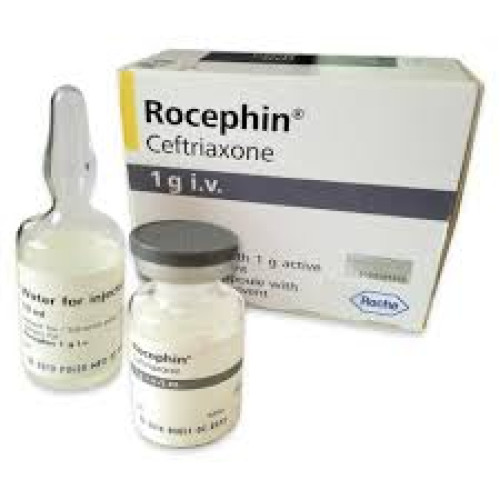
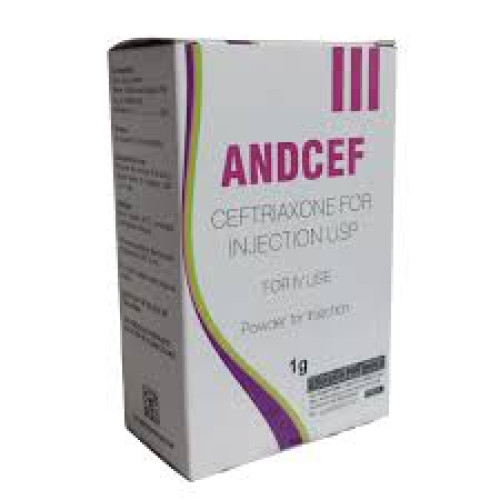
A premium, clinically validated, broad-spectrum cephalosporin antibiotic administered via intravenous (IV) or intramuscular (IM) injection to treat severe, life-threatening bacterial infections.
Rocephin contains Ceftriaxone Sodium, a powerful third-generation cephalosporin. It functions systemically as a bactericidal agent, meaning it directly kills bacteria rather than just slowing their growth.
Once injected into the body, it clears infections through a precise cellular mechanism:
Cell Wall Disruption: The drug binds directly to specific enzymes called penicillin-binding proteins (PBPs) located on the inside of the bacterial cell wall.
Inhibition of Peptidoglycan Synthesis: It blocks the final step of cell wall assembly, preventing the bacteria from creating a stable peptidoglycan matrix.
Cell Lysis and Death: Without a rigid, functional protective wall, the high internal pressure causes the bacterial cell to burst (lyse), rapidly eradicating the infection from your tissues.
Lower Respiratory Tract Infections: Treating severe community-acquired or hospital-acquired pneumonia and acute bacterial bronchitis.
Meningitis Treatment: Penetrates the blood-brain barrier exceptionally well, making it a gold-standard therapy for acute bacterial meningitis.
Systemic Infections & Sepsis: Eradicating bacterial septicemia (blood poisoning), intra-abdominal infections, and severe bone or joint infections (osteomyelitis).
Surgical Prophylaxis: Administered just before surgery to heavily lower the risk of post-operative infections.
Sexually Transmitted Infections: Treating uncomplicated gonorrhea infections as part of dual-therapy clinical protocols.
Intramuscular (IM) Injection: Dissolved in sterile water or mixed with a local anesthetic (like lidocaine) to significantly reduce localized muscle stinging, then injected deeply into a large muscle mass (like the gluteus or thigh).
Intravenous (IV) Infusion: Dissolved in compatible sterile fluids and delivered directly into a vein, either as a slow injection over 2 to 4 minutes or as an infusion drip over 30 minutes.
Adults, elderly patients, and children managing severe, confirmed bacterial infections under strict clinical admission or home healthcare monitoring.
The Neonatal Calcium Rule: Strictly contraindicated in premature infants and full-term neonates under 28 days old. Rocephin must never be mixed or given at the same time as calcium-containing IV fluids (like Ringer's solution). Combining them can cause dangerous calcium-ceftriaxone crystals to form in the newborn’s vital organs (lungs and kidneys).
Hyperbilirubinemic Neonates: Do not use in newborns with jaundice. Ceftriaxone competes with bilirubin for binding sites on blood proteins, which can push bilirubin into brain tissues and cause neurological damage (kernicterus).
Severe Cephalosporin or Penicillin Allergy: Do not administer if there is a known history of severe allergic reactions (anaphylaxis, hives, facial swelling) to cephalosporins or penicillins, due to a risk of cross-reactivity.
The Complete Treatment Law: The full multi-day course prescribed by the physician must be completed entirely, even if physical symptoms disappear and lab values stabilize within forty-eight hours. Stopping treatment early allows the strongest surviving bacteria to mutate, causing a drug-resistant relapse.
The Diluent Verification: When prepping Rocephin for Intravenous use, it must never be dissolved in lidocaine. Lidocaine mixes are strictly reserved for painful Intramuscular (IM) injections to numb the muscle site.
1.Verify past antibiotic history prior to administration:Allergy Screening.
Conduct a thorough review of past drug reactions. If the patient has a history of penicillin or cephalosporin allergies, alert the supervising clinician before mixing the vial.
2.Select and verify your reconstitution fluid:Fluid Calibration.
Ensure the dry powder is mixed with the correct diluent based on the route. Use sterile water or saline for IV lines, or clinical-grade lidocaine for deep IM injections.
3.Deliver IV doses slowly and monitor the site:Infusion Vigilance.
Administer the IV infusion drip steadily over 30 minutes. Check the injection site frequently for signs of local irritation, redness, or swelling (thrombophlebitis).
4.Monitor the patient for immediate allergic signs:Vital Assessment.
Keep the patient under observation during and immediately after the injection. Check for sudden breathing difficulties, skin rashes, or a sharp drop in blood pressure.
Because Rocephin is injected directly into your tissues or bloodstream, it bypasses the digestive system and goes to work immediately. Peak concentrations are achieved rapidly, delivering massive amounts of the antibiotic to infected tissues. For severe respiratory infections or sepsis, a noticeable reduction in high fever, systemic inflammation, and pain can typically be observed within twenty-four hours of starting therapy.
By dynamically interacting with systemic bacteria and your gastrointestinal ecosystem, this potent injectable can prompt temporary adjustments, including:
Localized pain, hardness (induration), tenderness, or warmth at the intramuscular injection site, or mild vein irritation during IV delivery.
Gastrointestinal changes, including loose stools, mild diarrhea, nausea, temporary vomiting, or a sore tongue (stomatitis) due to updates in gut flora.
Mild, temporary changes in liver enzyme levels or blood profiles (such as an increase in eosinophils or a drop in white blood cells), which normalize after stopping therapy.
Can Rocephin be mixed with other IV medications in the same syringe or bag?
No. Rocephin must always be prepped and administered separately from other injectable drugs. It is physically incompatible with many other medications and can form a cloudy precipitate (solid particles) if mixed in the same container or IV line. Always flush the IV line thoroughly between different medications.
What should be done if severe, watery diarrhea develops during or after treatment?
Contact your doctor or visit your clinic immediately if you experience severe, watery diarrhea that lasts for days, intense abdominal cramping, or blood in your stool—even if it occurs weeks after your last injection. This can be a sign of an intestinal infection called Clostridioides difficile-associated diarrhea (CDAD), which requires specialized medical care.
Does Rocephin cause any long-term issues with the gallbladder?
In some individuals, particularly at high doses, ceftriaxone can form temporary crystals in the gallbladder that look like "shadows" on an ultrasound. This condition is known as ceftriaxone gallbladder sludge or pseudolithiasis. It is typically harmless, causes no symptoms, and resolves completely on its own once the antibiotic treatment course is finished.
You can purchase authentic, factory-sealed Rocephin Injection vials online through Sanlive Pharmacy & Stores for secure payment and fast, reliable same-day delivery directly to your hospital, clinic, or home within Lagos, Abuja, and Port Harcourt.
Important Notice: This information is for educational support and tracking purposes only. Rocephin is a highly potent, prescription-only injectable antibiotic that must be prepared and administered strictly by a qualified doctor, nurse, or medical professional.
No reviews yet — be the first!
Log in to write a review.